While hiking the boardwalk at Falling Rivers state park, we noticed the skink in a tree crevice, enjoying the sun. I stopped, backed up slowly, and reached for my camera. I think walking on boardwalks creates more noise and vibration, even when we try to walk softly and I didn’t want to spook him. I took several shots, at several focal lengths and settings. After observing the skink for a few minutes, it suddenly became aware of our presence, turned, and left. Or, maybe it just let us get a good look before it left. After all, he displayed full breeding colors and a bit of preening made sense.
The Broad-headed skink ranges from northern Florida to part way down the peninsula and is the largest of Florida skinks. The orange head gives this one away as a male.
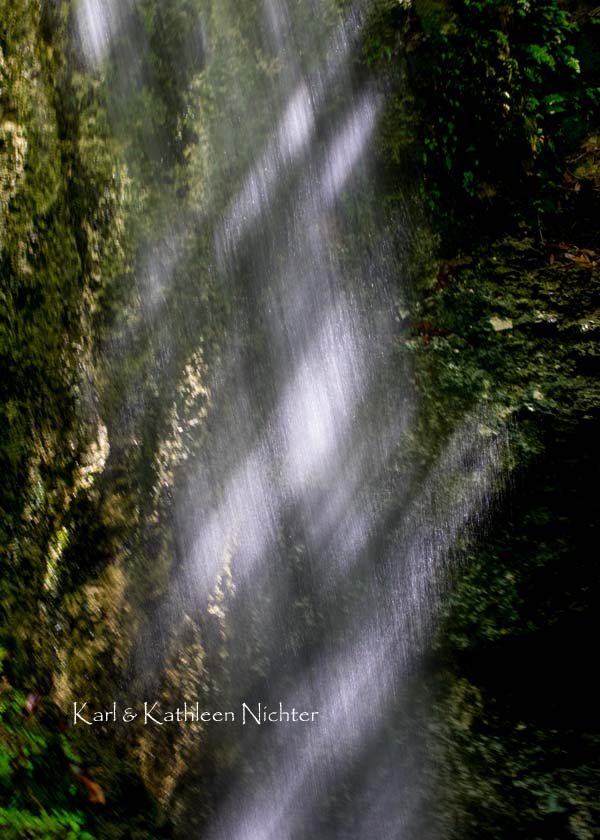
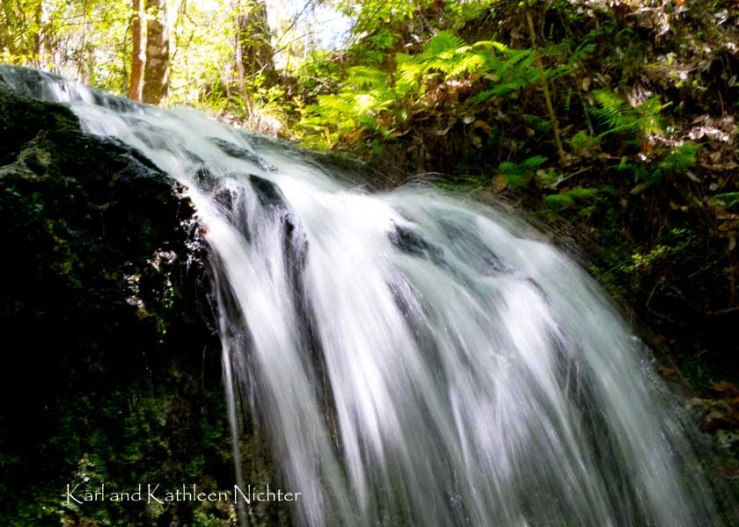
Thanks to cooler morning temperatures we had the Falling Waters State Park Waterfall to ourselves for quite a while. Most of the photographs I took initially froze the droplets. Since I had the time, I decided to play around with setting the time and getting the soft water look, or bridal veil, or any number of other names. The caption below each shows the settings I used on the camera, and the result. I handheld the camera since I did not have a tripod or monopod with me, but used the boardwalk to prop myself and avoid shake.
I shot this image at F22, 1/4 secondThis image, of just the waterfall, I shot at F22, 1 secondI shot this image at F22, 1/6 second
The morning started cold but sunny at our campsite in Florida Caverns state park. We stay at this park frequently, and took the cave tour many times so this time we decided to explore more of the area. The wind kept the temperatures lower, but out of the wind the sun felt so good. We decided to visit another state park so drove west on 90, stopping at the Main Street market in Chipley (stop there if you can) and then on the Falling Waters State Park.
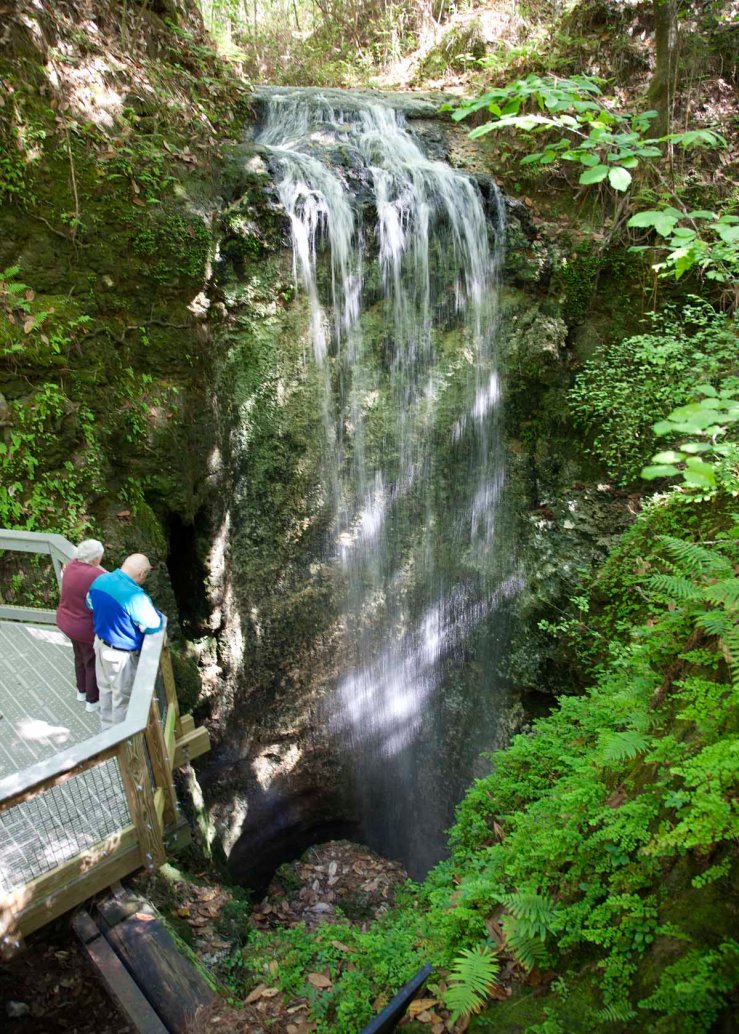
The park contains the highest waterfall in Florida at 73 feet. We walked along the boardwalk from the parking lot, and even with the wind heard the falls before we saw it. The heavy rain the day before made the water flow stronger. As we approached, another photographer stood on one of the steps taking his shots. We waited, and composed a few of our own from that angle. The water rushed over the rocks, and into sinkhole below that from our view seemed bottomless.
We spent some time at the Falls on the lower platform and then retraced our steps and moved to the upper platform. After taking a few photographs to give some scale to the falls, we took advantage of the beautiful sunny day and walked the boardwalk trail to the lake. Signs appear along the way, explaining native plants or history such as the gristmill and legal still that once used the falls for power, or the remains of an oil well that never produced oil. The lake has a small swimming area, and I sighted most of the birds I noted around the lake.
I keep a field notebook for most hikes, somewhat casually especially in the plant category, but in the past the information languished after the hike. I stopped using eBird for bird lists so don’t have a formal recording area. I now review my notebooks after the hike, when I review my photographs, and pick notable sightings to record. For Falling Waters State Park:
Notable Sightings
Birds
Eastern Kingbird
Flew by, first I have seen this season
Great Crested Fly Catcher
Heard, then it flew directly in front of us and landed in a nearby tree
Reptiles/Amphibians
Broad-headed Skink
Beautiful, in a tree crevice
Insects
Ebony Jewelwing Damselfly
Stopped briefly a few times
Mammals
Sherman’s Fox Squirrel
Two sightings, one as we entered the car, and the other in the parking lot. The first was light colored, the second almost black
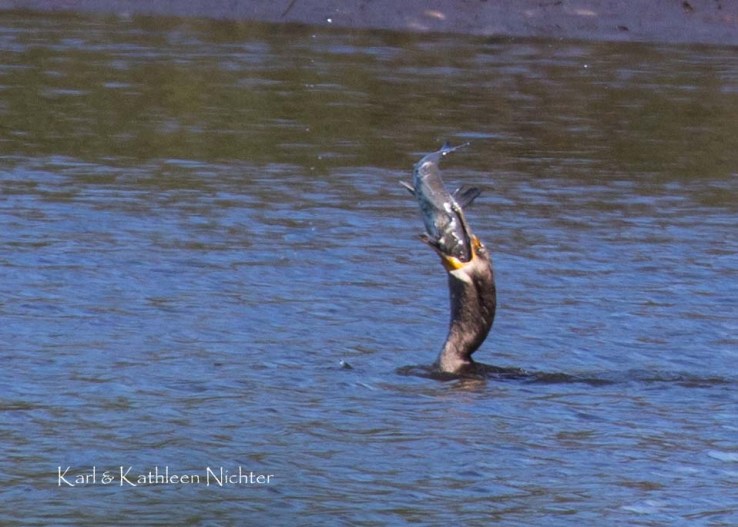
We watched this cormorant struggle with this oversized fish for almost ten minutes from our position on one of the trails at Warner Boyce Salt Springs State Park. Finally, he gave up, dove down, and came up with a smaller fish which he swallowed immediately!
The incident took place quite far away from our position, requiring binoculars. I attempted many shots with my Canon 100 – 400 mm fully extended. This one, the key moment when he finally got the fish in place and unsuccessfully attempted to swallow was the only one to come out. Being there is the major factor in getting the best nature photography. In this case, however, luck lent a helping hand!
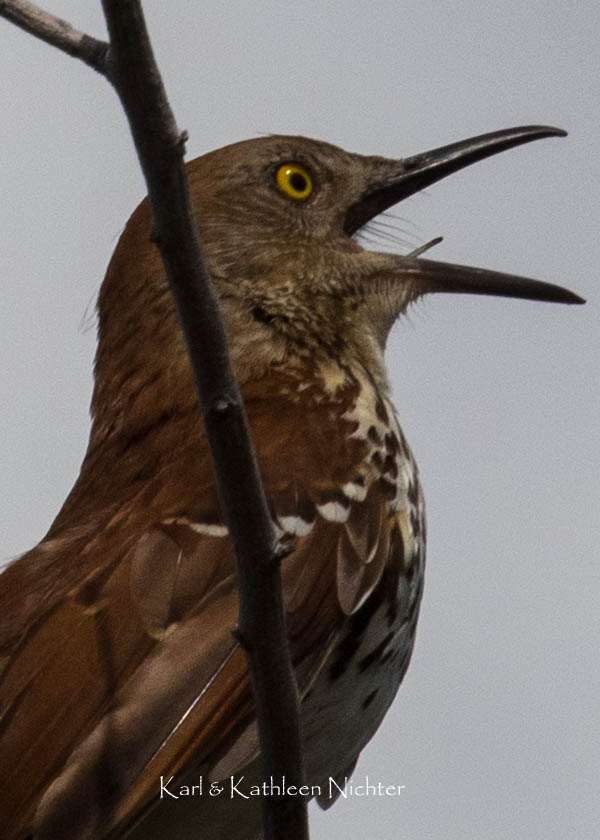
For the last several weeks at some point during the day, or sometimes most of the day, we heard beautiful music from our back yard. We hear a lot of wonderful songs this time of year, from Cardinals, Mockingbirds, and other bird residents and visitors to the wood thicket just behind our fence, along the creek. At first, I thought this one might be a Northern Mockingbird, but this sounded different, louder and with more projection. While sitting on the deck a week ago I heard the well-projected songs again, and at the top of the tallest tree sat a Brown Thrasher, beak parted.
This past Sunday I sat out reading, camera at hand, hoping for the daily visit. The Northern Cardinal provided entertainment, but no thrasher. Later I returned to my chair with the book, and within minutes the music started. I grabbed the camera, and took a couple of shots through the screen. Yes, they were terrible. OK for identification shots, but I already identified the bird. Living on a creek, we have our entire deck and pool area screened. We love the birds, reptiles, mammals and insects who visit our yard, well, maybe not the mosquitoes, but prefer to keep our living areas separate.
I slowly went out the side door, and raised the lens. At first he stopped, and tilted his head in my direction looking at me. The Canon 400mm fully extended attracts attention, and often I end up with the tail section of my photo subject. This time, he decided neither me nor the lens posed any threat, and continued.
The Brown Thrasher is a member of the Mimid family of birds which also includes Northern Mockingbirds and Gray Catbirds. Both are also visitors to our tiny yard, catbirds during their winter stay and mockingbirds year around. They all improvise their songs, often mimicking other birds. According to the Stokes guide, in general the catbirds repeat phrases once, the thrasher twice, and the mockingbird three times or more. I’ll listen more closely next visit.
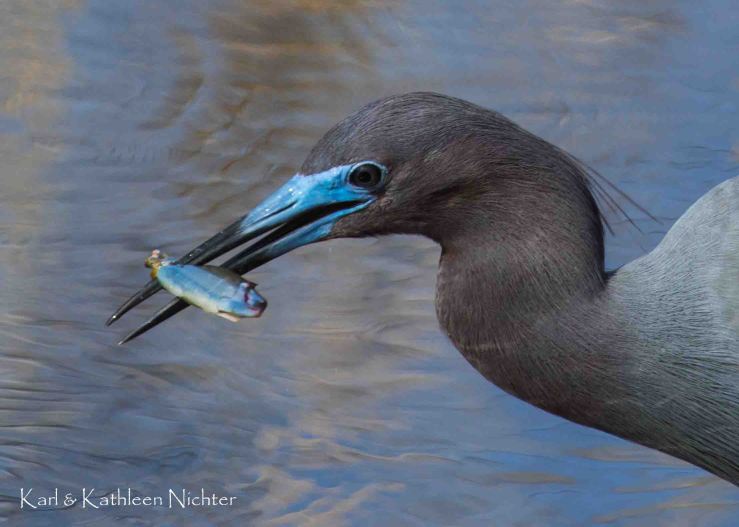
I took this photograph at Werner Boyce Salt Springs State Park. The light on the blue of the bill caught my eye, and it wasn’t until I uploaded it and looked at it later that I realized that the fish appeared blue too!
I spotted this crane while hiking and birding at Weeki Wachee Preserve this morning. We heard the cranes earlier, so already listed them.
The crane walked along, sometimes visible sometimes not in the reeds. At one point he stopped, tilted his head, and gave me this look that I found quizzical. Then he bent down, doing a bit of fishing I think.
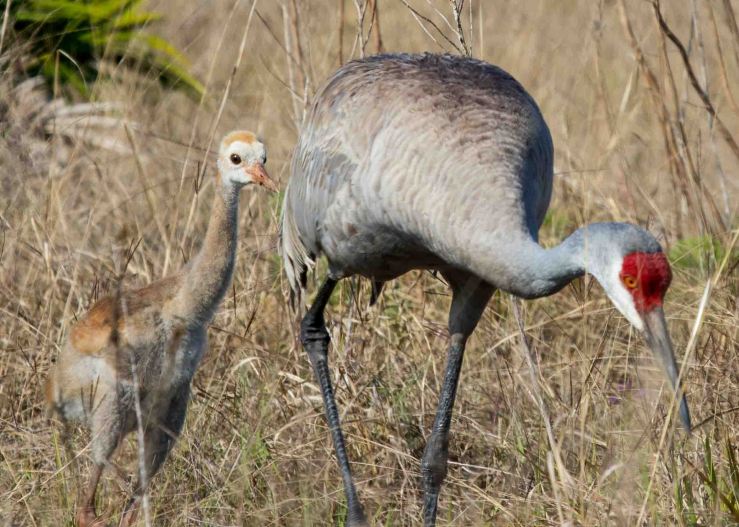
As we walked along the road toward the parking lot, we noticed two cranes walking through the vegetation on the right. This time of year, we always search for the colts, and sure enough this rather tall young colt tagged along with his parents. At one point he noticed us, and watched, never getting far from one parent or another. The adult cranes watched us briefly, determined us not a threat, and ignored us from that time forward.
I started my nature photography with birds. As an avid birder, it made sense. In the more than a decade since I started serious bird photography, my style changed. My first few years concentrated more on portraits. Back then, only those of us with the long lens managed to get the best photographs. Now, thanks to technology advances in cameras of all levels, portrait photography of birds and stop action of an Osprey taking a fish, while maybe not something everyone does, is common.
As I matured as a naturalist, I started taking more shots of birds relating to their habitat. Backgrounds became less fuzzy and more distinguishable to set the bird in its place. I waited for unique behavior, interactions with other birds, feeding behaviors. Lately I am back to the close-ups, but of unique features of the birds.
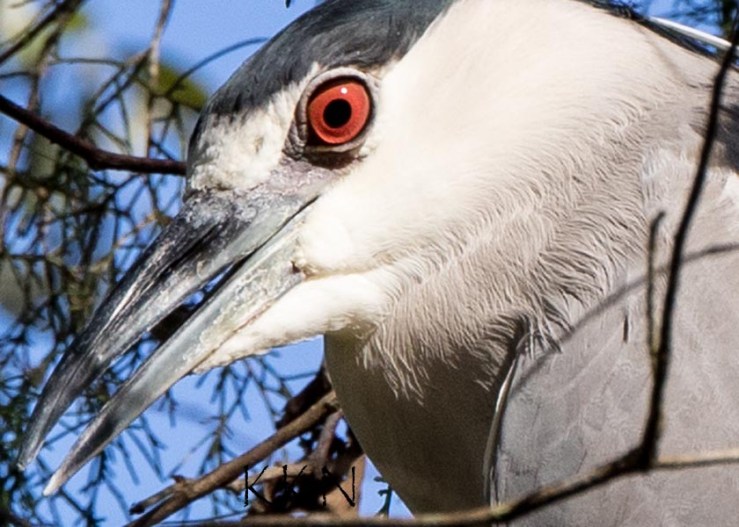
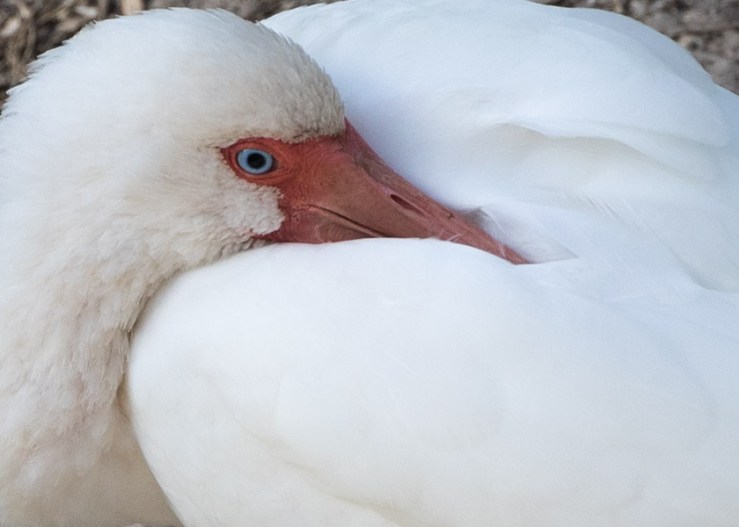
In this series, I went for the eyes with only enough of the rest of the bird to create the composition I wanted. It started with the Black-crowned Night Heron. I looked up, and with the direction of the sun that amber eye actually seemed to glow at first glance. I liked what I saw, and decided to try the same approach on some other birds.
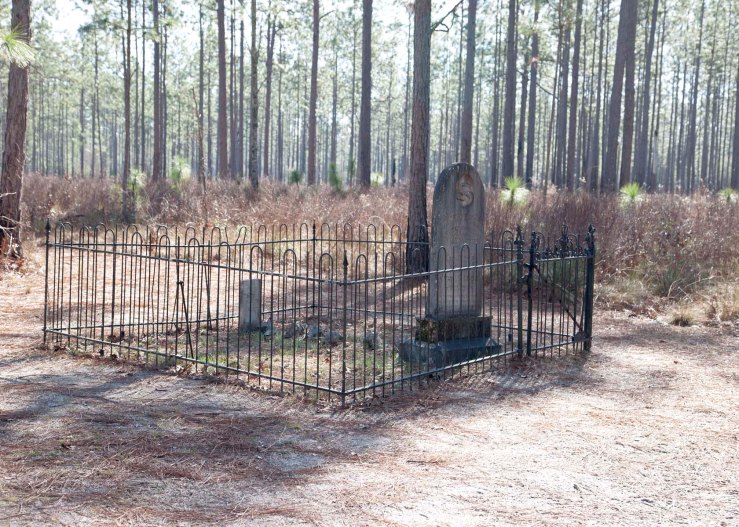
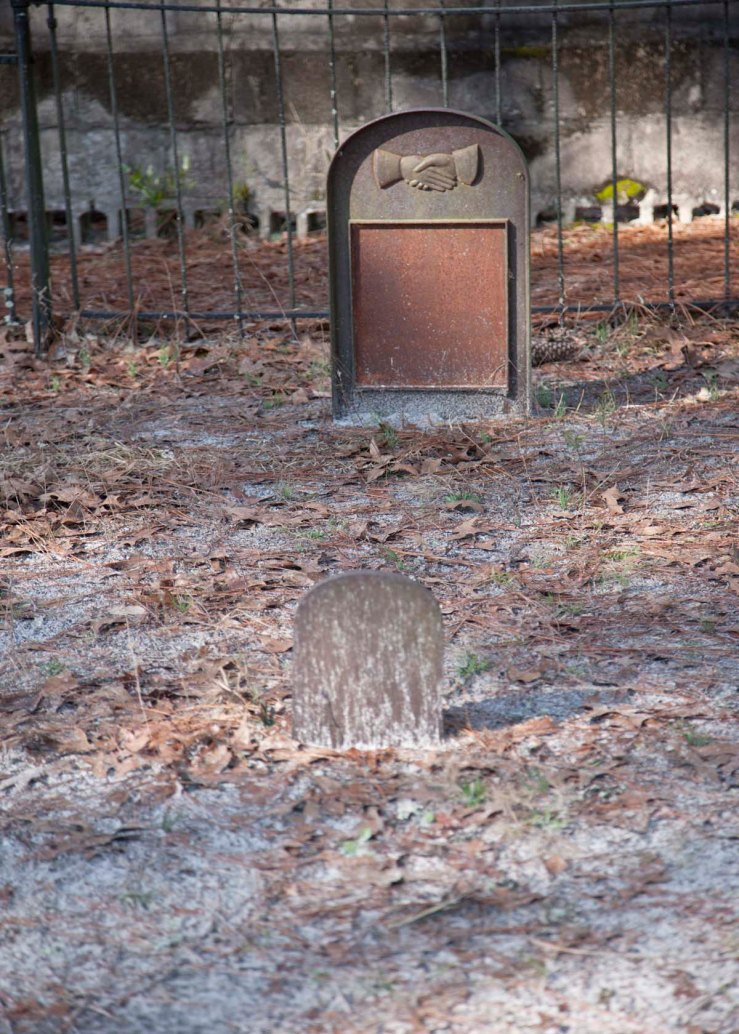
We visited Suwanee River State Park on our last RV trip, and hiked to the Old Columbus Cemetery where Karl took these photographs. As river transportation of goods gave way to rail, and rail to trucks, towns situated along the rivers and rails adapted, or went away. Old Columbus once served a population of 500 people. Located along the Suwanee River, it thrived in the mid-1800s, with a stage stop, rail stop, and of course steamboat stop.
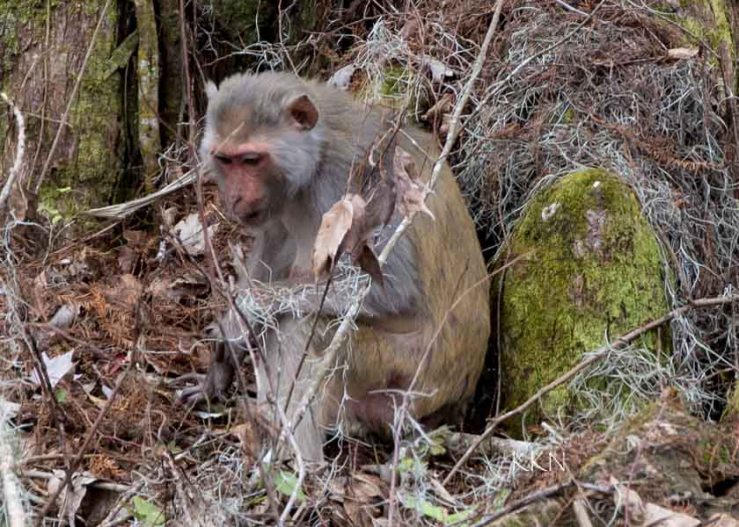
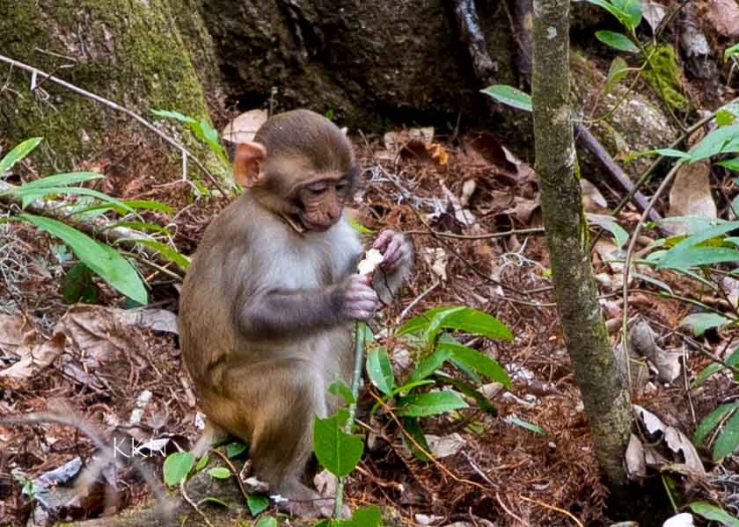
The first time we have ever seen the monkeys at the park. They noticed us, but we watched and didn’t make any move to do anything else. Eventually they just ignored us and went about their business, primarily eating for the adults and playing for the three youngsters.